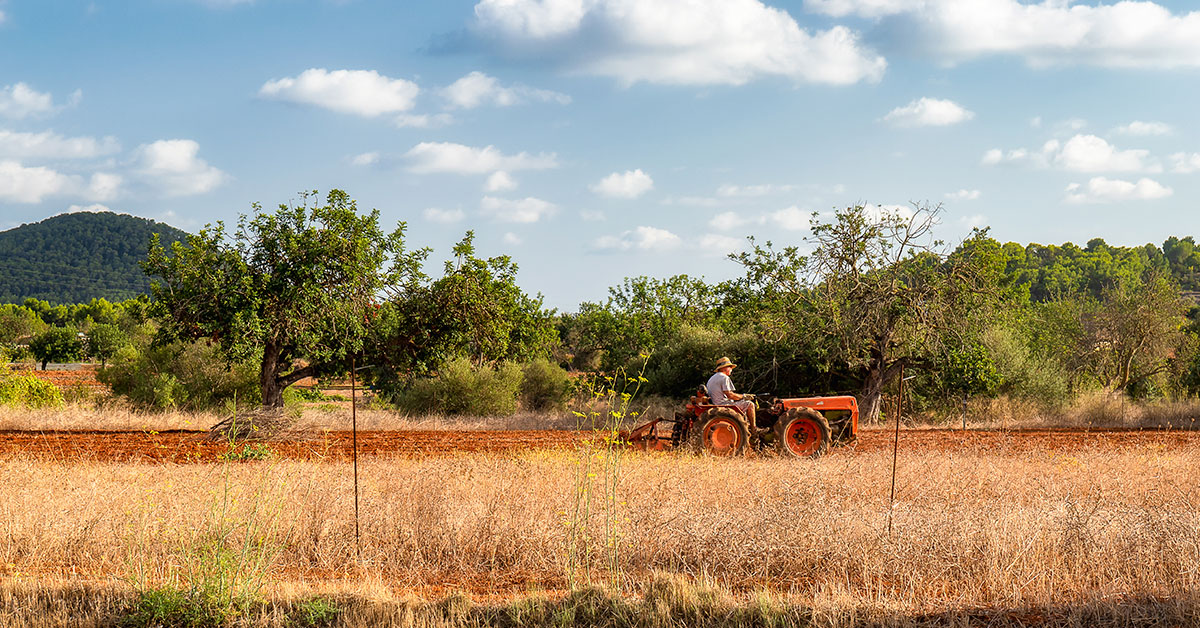
The land of Ibiza, its climate and its traditions have given rise to gastronomic products with their own identity, made thanks to the knowledge passed down over generations.
Some of them even have quality seals that recognize their link with the island.
PGI Ibiza Wine: a tradition that began with the Phoenicians
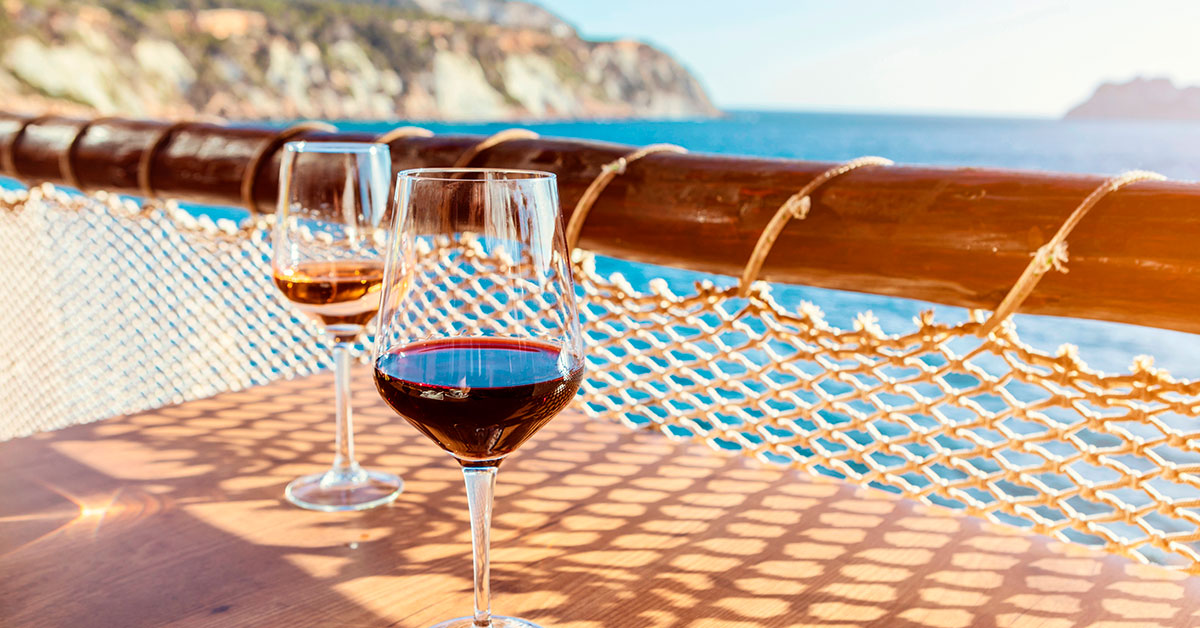
The history of wine in Ibiza dates back to the seventh century BC. When the Phoenicians introduced vine cultivation to the island. Since then, viticulture has been part of its agricultural landscape, evolving over the centuries without losing its Mediterranean character.
Currently, the Protected Geographical Indication (PGI) Vino de Ibiza has about 60 hectares of vineyards spread between white and limestone soils and the characteristic reddish soils of the Ibizan plains. Two landscapes that are part of the island's winemaking personality.
Among its traditional varieties, the Monastrell stands out, used in the production of red and rosé wines, and the Malvasia Aromatica for whites, known locally as Grec, whose origin is in the eastern Mediterranean.
In the past, these vines were planted on the margins of the terraces and rested on juniper structures, an image closely linked to rural Ibiza.
Today, different wineries such as Ibizkus keep this tradition alive, combining inherited knowledge with new ways of understanding viticulture.
PGI Oli d'Eivissa: the island's liquid gold
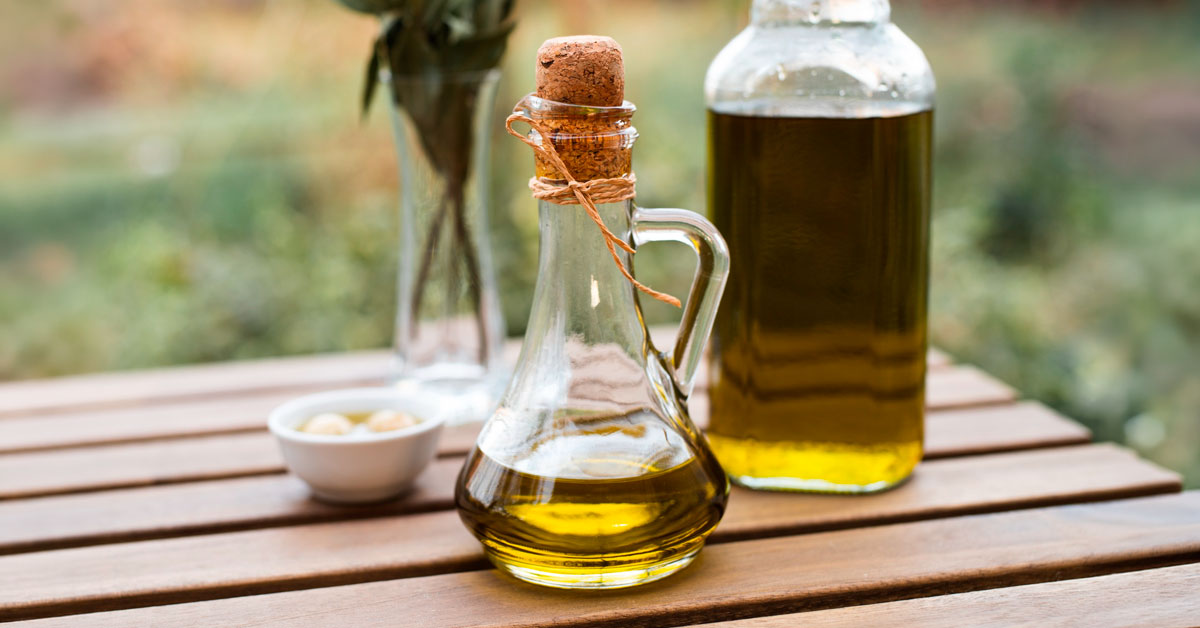
The olive tree is another of the great protagonists of Ibiza's agricultural landscape: its cultivation, also introduced by the Phoenicians, has accompanied peasant families for centuries, who took advantage of its fruits to make one of the fundamental ingredients of the Mediterranean diet.
Even today it is possible to find centuries-old olive trees around old country houses, witnesses of a tradition that for generations used pressing systems very similar to those used in Roman times.
The PGI Oli d'Eivissa / Aceite de Ibiza took an important step forward in 2019, when the first harvest covered by this indication was produced. From 2020, labelling began to officially identify its origin.
This recognition, protected under the Oli d'Eivissa seal, contributes to highlighting the work of local producers and protecting the identity of a food deeply linked to Ibizan gastronomy.
From a simple toast of country bread to the most contemporary preparations, olive oil is part of countless recipes on the island.
An everyday product that is also an expression of its agricultural heritage.
PGI Hierbas Ibicencas: the aromas of the countryside in a glass
Few products represent Ibiza's gastronomic tradition in such an aromatic way as Ibizan herbs. This aniseed liqueur brings together some of the most characteristic aromas of the island's countryside and forests in a drink whose production has been passed down from generation to generation.
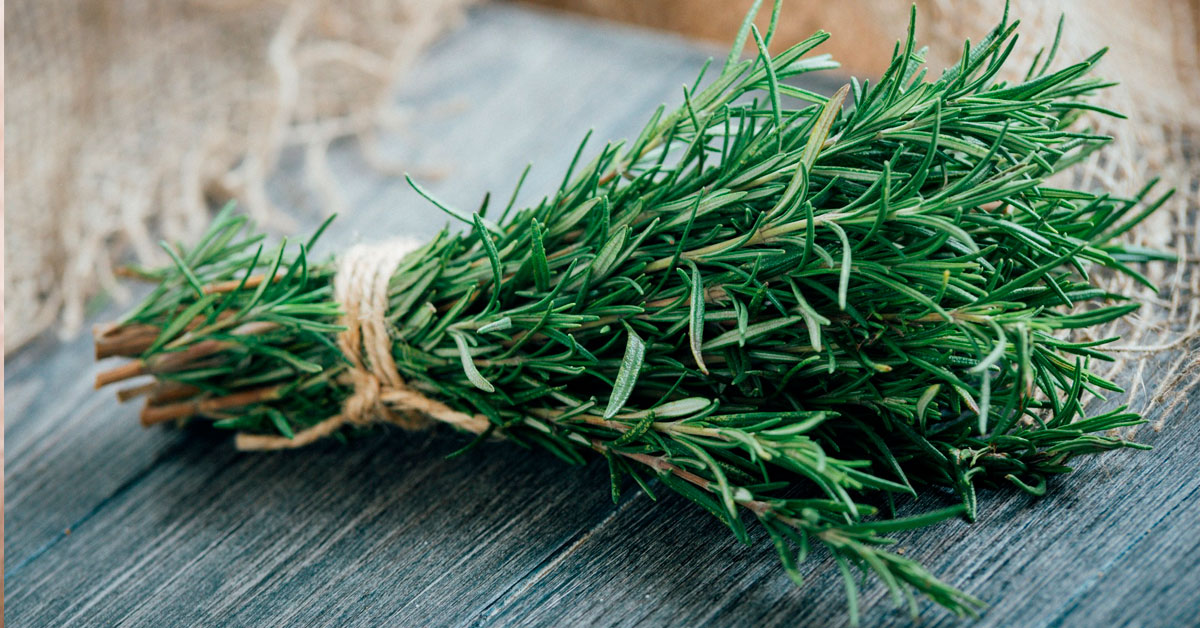
The recipes can incorporate up to 17 botanical ingredients, including big-headed thyme, rosemary, juniper, sage and citrus peels. A combination that gives rise to different nuances depending on the selection of plants and the proportions used by each producer.
Hierbas Ibicencas have a Protected Geographical Indication recognised by the European Union, a distinctive that protects their identity and their link with the territory.
Traditionally associated with after-dinner conversations and family celebrations, they still occupy a special place in Ibiza's gastronomic culture.
In addition, they represent a different way of approaching the botanical richness of the island, transforming the aromas of the Mediterranean landscape into a drink deeply rooted in its customs.
If you want to discover them, a good bottle of the Marí Mayans Family or Fluxà are perfect options.
PDO Ibiza Honey: the taste of Ibiza's biodiversity
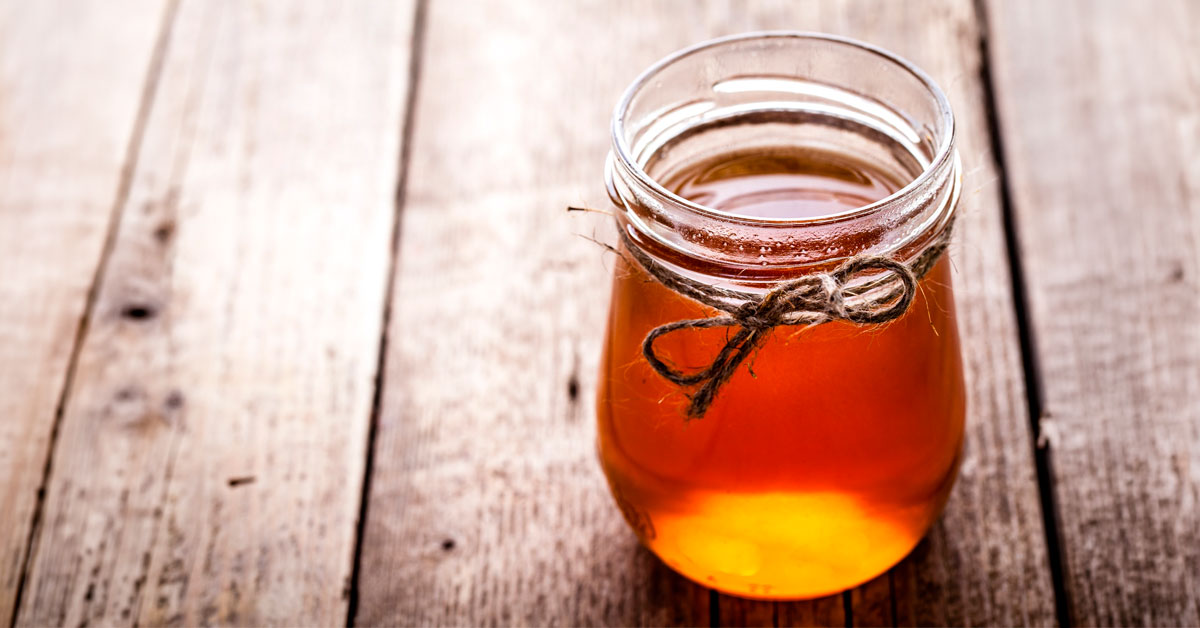
Ibiza honey occupies a prominent place among the island's recognised products, as it has its first Protected Designation of Origin (PDO). This recognition was also the first for a Balearic honey and the seventh in Spain.
Its personality is closely related to Mediterranean vegetation and natural flowering cycles. Unlike other products that can be made throughout the year, Ibizan honey is traditionally harvested at two different times, giving rise to particular characteristics.
During the summer, a multifloral honey is obtained, which includes flowers such as thyme. It is characterised by its golden colour, transparency, fluidity and a particularly intense aroma. In winter, on the other hand, the harvest is mainly linked to rosemary and heather, two plants that are very present in the natural landscape of Ibiza.
Honey production also reflects the importance of local beekeeping and its relationship with the environment. Behind each jar we find the work of beekeepers such as the Associació d'Apicultors d'Eivissa who know the rhythms of nature and contribute to keeping a traditional activity alive.
Ibiza's honey proves that even the simplest products can hide an enormous gastronomic and cultural richness. A sweet way to discover the island's biodiversity and appreciate everything that its territory has to offer.